Definition
What is Well-being?
>>Go to Journey for Well-being articles
The term “well-being” originally meant “the state of living well” in English and has been in use since the 17th century. In modern contexts, it refers to a comprehensive state of living well that includes not only physical, mental, and social health but also a sense of happiness, quality of life, and overall life satisfaction. It is not merely the absence of illness or disability; it also encompasses a sense of security, purpose, and the maintenance of personal dignity.
In 1948, the World Health Organization (WHO) officially recognized this concept in its definition of health, which helped establish its widespread use in healthcare, public health, and social welfare fields.
In Japan, the concept has been introduced as “ウェルビーイング” (well-being) since the latter half of the 20th century and has now become an important indicator when considering physical and mental health as well as quality of life.
Additionally, “Better-being” is a term I coined by me (Misako OBA), derived from the comparative form of “well.” It refers to a state of well-being that goes beyond the present—one that is better than now, and continuously evolving toward a higher level of well-being.😊
“Art is no longer just a luxury or an “extra” in life — it is increasingly recognized by healthcare systems globally. It’s a form of care and love and clearly necessary for well-being and “better-being,” especially when the world divides or life becomes tough.” — Misako OBA
By the way, Is it Wellbeing or Well-being?
I use ‘well-being’ in this website. The details are below, but in short:
🇺🇸well-being: The standard, preferred spelling in American English.
🇬🇧wellbeing: Common in British English.
❌well being: Incorrect when referring to the noun “welfare” or “happiness”.
According to Merriam-Webster Dictionary and other American English sources, the correct and established spelling is the hyphenated “well-being.”
While the single-word “wellbeing” is used, especially in British English and some popular contexts, Merriam-Webster defines the hyphenated form as standard for North American usage, treating it as a noun formed from an adjective (“well”) and a verb/noun (“being”).
So,
🇺🇸If you are North American, hyphenate: well-being.
🇬🇧If you are British, write one word: wellbeing.
🇯🇵If you are Japanese like me: ウェルビーイング. 😅
(I added a page of the definition in Japanese for those who are interested).
Again, just for your info, I use ‘well-being’ in this website, including in Journey for Well-Being articles. (If I misspell it, Sorry! That would be my careless miss. Kindly contact me. I would appreciate it. I will correct it for consistency.)
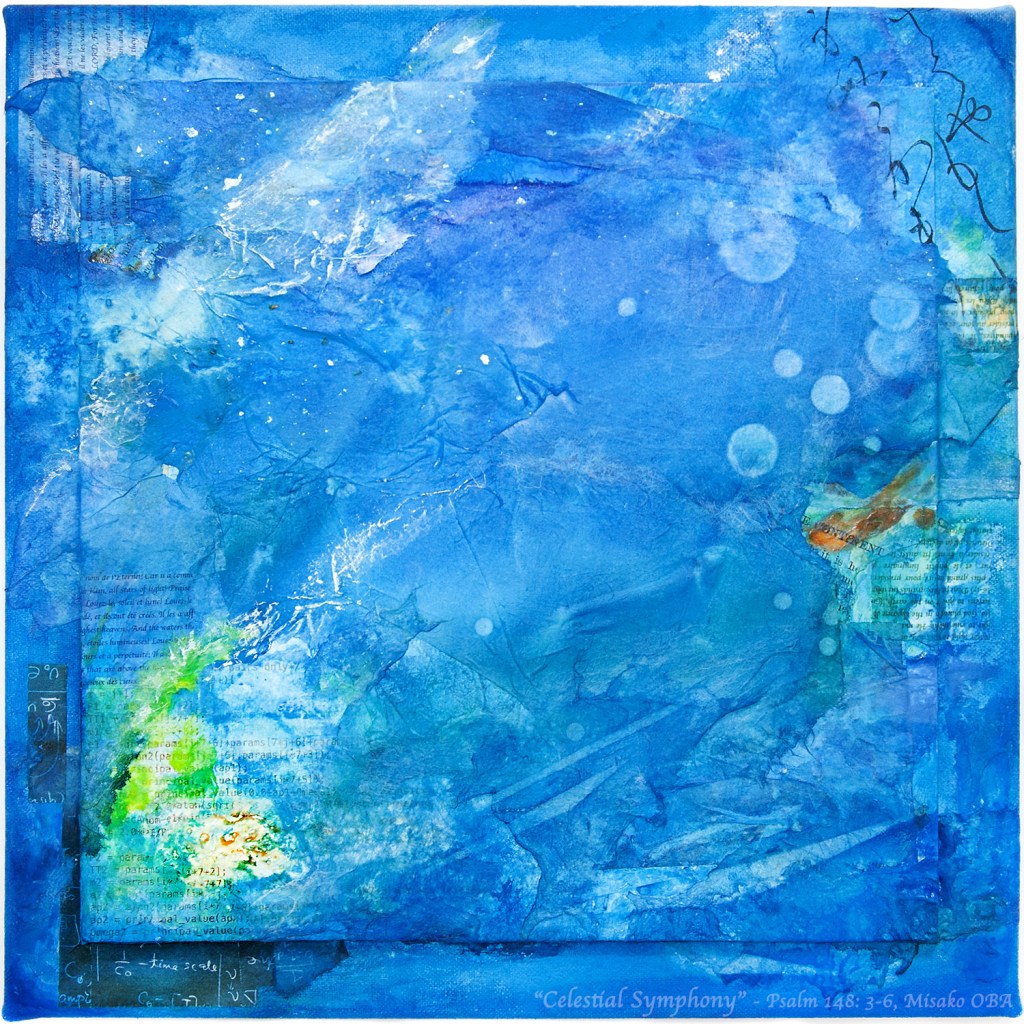
“Art is no longer just a luxury or an “extra” in life — it is increasingly recognized by healthcare systems globally. It’s a form of care and love and clearly necessary for well-being and “better-being,” especially when the world divides or life becomes tough.”
— Misako OBA
 Misako OBA