Art as Medicine: Transforming Healthcare
As the year draws to a close and December wraps us in its quiet softness — or its joyful bustle of events — many people find themselves reflecting on the year behind them. It can be a season of happiness and gratitude, but also one of change, loss, and transition. For some, this is the busiest time of the year, filled with activity and added stress. For others, 2025 may have been especially heavy — marked by the loss of someone dear, an unexpected medical diagnosis, major life changes, or the loneliness that often settles in during the holiday season and colder months.
In moments like these, it may be a good time to look for small places of rest, warmth, and reflection — moments that allow us to pause and quietly consider what truly supports our well-being.
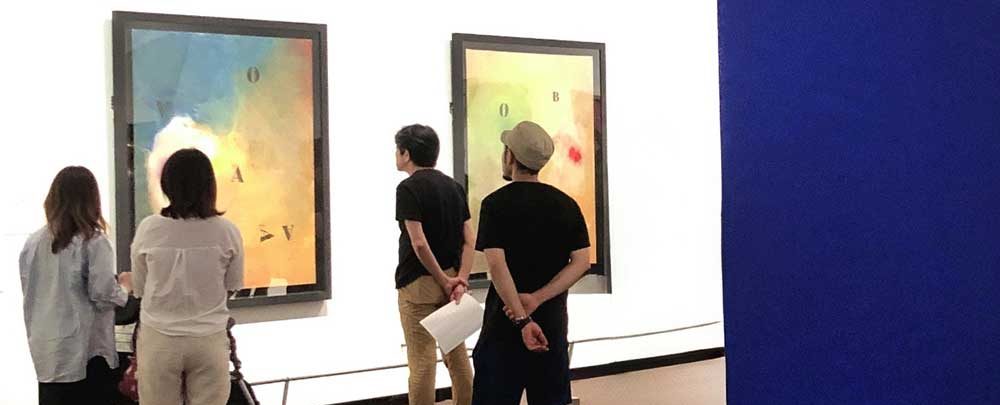
Imagine walking into your doctor’s office expecting a prescription for medication — only to be handed a voucher for a museum instead. No pills. No pharmacy. Just a quiet afternoon surrounded by paintings, sculptures, gardens, and beauty.
It may sound whimsical, even unrealistic. Yet I personally experienced a (non-official) “art prescription” — that was more of a suggestion — nearly two decades ago in Tokyo, Japan.
Today, around the world, this is exactly what doctors, hospitals, and governments are beginning to prescribe. This rapidly growing idea — sometimes called museum prescriptions, arts-on-prescription, or social prescribing — is transforming how we think about healing, connection, and well-being.
Art is no longer just a luxury or an “extra” in life — it is increasingly recognized by healthcare systems around the world. misako oba
One of the most hopeful trends of 2025 has been the rise of arts and museum prescriptions: doctors and care providers offering access to cultural spaces as part of a holistic path to emotional and mental well-being.
But this movement did not appear suddenly.
This is the journey of how art is slowly becoming a recognized part of healthcare.
The New Movement of Art Prescriptions
For centuries, people have turned to art, music, and creativity during difficult moments. But only in the past decade has the healthcare world begun to take this ancient instinct seriously and formally integrate the arts into treatment.
Art prescriptions represent a shift in modern healthcare—a shift from treating only the disease to supporting the whole person. Doctors and wellness professionals increasingly recognize that loneliness, burnout, depression, stress, and chronic pain are not purely medical problems. They are human problems, intertwined with identity, lifestyle, community, and emotion.
Visiting museums, engaging with culture, or simply experiencing beauty can help reduce stress hormones, improve cognitive flexibility, support emotional expression, enrich social connection, and reawaken a sense of curiosity and meaning.
In other words: art gives people back the parts of themselves that illness often steals.
Around 2018, this idea began to take shape in formal programs, policies, and prescriptions. What began as a few small pilots is now a global movement reshaping the relationship between culture and health.
Its momentum was shaped in part by a landmark statement from the World Health Organization (WHO).
WHO’s Turning Point on Arts and Health
In 2019, the WHO released a major report that reshaped how governments and institutions think about art’s role in health. As you researched and quoted:
“Over the past two decades, there has been a major increase in research into the effects of the arts on health and well-being.”
“This report synthesizes the global evidence on the role of the arts in improving health and well-being. Results from over 3000 studies identified a major role for the arts in the prevention of ill health, promotion of health, and management and treatment of illness across the lifespan.”
This statement validated decades of scattered research and gave confidence to policymakers, hospitals, and cultural institutions. Since then, especially between 2019 and 2025, the idea of prescribing art has grown into a global movement.


Below is a journey through the key examples — country by country — showing how art has become part of modern care.
Pioneering Programs Around the World
🇨🇦 Canada: The First Official Museum Prescription (2018)
Canada is often credited with launching the first formal doctor-to-museum prescription.
In 2018, the Montreal Museum of Fine Arts (MMFA) began collaborating with physicians to offer prescribed free visits for patients dealing with a wide range of conditions — from chronic pain and anxiety to caregiver burnout and more.
This early program inspired worldwide interest. It reframed the museum as a place of care — a sanctuary where beauty and reflection could support people during vulnerable moments.
In 2025, study results showed a significant improvement in Mental Well-Being Scale scores, functional health, and health-related quality of life when comparing patients’ conditions before and after their MMFA visits.
In the years that followed, several European countries began experimenting with their own versions.
<In Europe>
🇬🇧 United Kingdom: Museums on Prescription
The United Kingdom is one of the pioneers in developing ideas, trials, and practical implementations in this area. As I researched this topic, I found a large body of studies and academic work coming from the UK. In the UK, this idea aligns with a broader national strategy on social prescribing.
The Museums on Prescription project connected socially isolated older adults with museums through guided visits, storytelling, and creative workshops. Participants experienced improved confidence, stronger social connections, and enhanced emotional well-being.
These early studies helped build the empirical base that the World Health Organization later validated.
France, Belgium, and Germany: Growing Municipal Programs
Across parts of France, Belgium, and Germany, cultural institutions and municipalities began testing their own versions of art prescriptions throughout the late 2010s and early 2020s.
- 🇫🇷 France: Some hospitals collaborated with museums to support mental-health recovery and cognitive stimulation. In 2023, the Palais des Beaux-Arts de Lille signed an agreement with the University Hospital Center of Lille to provide 140 “museum-therapy” sessions per year for patients who received “museum prescriptions” from doctors.
- 🇧🇪 Belgium: Beginning in September 2022, doctors at Brugmann Hospital launched a pilot program prescribing free museum visits in Brussels, particularly for patients experiencing stress, anxiety, and other mental-health challenges.
- 🇩🇪 Germany: Local councils experimented with museum-based well-being activities, especially for seniors and individuals recovering from long-term illness.
While these programs varied in scale, they shared a common European belief: cultural participation is not entertainment — it is part of public health.
🇨🇭Switzerland (2025): The Newest Innovator
One of the most recent additions to this global movement is Neuchâtel, Switzerland. In 2025, the city launched a pilot program allowing doctors to prescribe free visits to:
- museums
- art galleries
- botanical gardens
Patients could explore exhibitions, walk through sculpture halls, or stroll through calming green spaces as part of their treatment plans — a gentle invitation to reconnect with curiosity, nature, and calm.
Switzerland’s program is one of the clearest signs that cultural prescribing is becoming a mainstream idea in modern health policy.
<In Asia>
🇹🇼 Taiwan: Museum on Prescription initiative for dementia and wellness.
According to Taiwan Ministry of Culture, ‘Museum prescriptions’ introduced for dementia patients in Taiwan in 2019. Hospitals have partnered with museums to support:
- dementia care
- cognitive rehabilitation
- emotional well-being
- programs for older adults and caregivers
These museum-based activities help stimulate memory, evoke positive emotion, and create shared experiences between patients and families. In Asia, Taiwan has become a pioneer in integrating museums directly into health services.
🇯🇵 Japan: Cultural Prescribing in a Super-Aging Society
In Japan, the connection between art, museums, and well-being is not yet as widely institutionalized as in Europe, Canada, or the United States. Still, by 2025, early signs of change are emerging, shaped largely by Japan’s super-aging society and growing concerns around social isolation.
Japanese museums and academic researchers often look to examples from Taiwan and European countries. In 2022, the Tokyo Metropolitan Art Museum translated Taiwan’s Museums on Prescription Practical Guidebook (originally published in Chinese/Taiwanese) into Japanese, helping to systematize this approach for Japanese audiences. The guidebook primarily focuses on older adults, particularly those living with dementia or seeking to prevent cognitive decline. The museum also began organizing a communication-based program called “Creative Ageing, Zuttobi,” in collaboration with art schools, aimed at people with dementia and their family members.
Rather than formal museum prescriptions through healthcare systems, Japan’s approach has developed mainly through academic and research-led initiatives. A key example is the Art & Wellbeing “aa-tomo” Project, led by Tokyo University of the Arts and the National Center for Art Research, which promotes cultural prescribing through creative engagement. The project was introduced to a broader audience at EXPO 2025 in Osaka.
In parallel, the National Center for Art Research continues to explore how museums and cultural institutions can serve as spaces for well-being, community connection, and inclusion—particularly for older adults. Together, these initiatives suggest that while Japan’s movement is still in its early stages, meaningful groundwork is being laid.
🇺🇸 <In the United States>
MA and NJ at the Forefront
The U.S. joined the movement more recently — but powerfully. Recent years have seen significant growth—especially in Massachusetts and New Jersey.
Massachusetts: CultureRx
Launched in 2020, CultureRx became the first state-level arts-on-prescription program in the U.S.
Clinicians can prescribe:
- museum visits
- dance classes
- theater experiences
- creative workshops
A 2023 formal evaluation (Frontiers in Public Health) found improved mood, emotional resilience, and social connection among participants. Providers said art prescriptions helped them address issues that medicine alone could not—stress, isolation, grief, chronic fatigue, and emotional exhaustion.
CultureRx became a model demonstrating that arts-infused healthcare could work in the U.S., even with its complex insurance and healthcare landscape.
New Jersey: ArtsRx and Cultural Wellness
In New Jersey, ArtsRx emerged through partnerships involving the New Jersey Performing Arts Center, Horizon Blue Cross Blue Shield, and Rutgers University. Programs expanded quickly (by 2024–2025) to include :
- museum entry
- art classes
- live performances
- sculpture garden passes
One standout example is Penn Medicine Princeton Health working with Grounds For Sculpture, where patients can receive a 90-day prescription pass to explore art and nature as part of their healing.
Though U.S. research is still developing, these programs demonstrate strong community health benefits.
Each country took a slightly different approach, but I believe the philosophy was the same:
Art is no longer just a luxury or an extra —it’s a form of care and love. Art is transforming our lives and is clearly necessary for our “better-being,” especially when life becomes tough. misako oba
Why Art Helps: The Science Behind the Prescriptions
Art prescriptions work not because they replace medicine, but because they support what medicine alone often cannot reach.
Engaging with art has been shown to:
- reduce stress and cortisol levels
- improve emotional regulation
- enhance memory, creativity, and cognitive flexibility
- increase social connection and reduce loneliness
- support people living with chronic illness by lowering anxiety and boosting resilience
- encourage gentle physical activity (walking, exploring, interacting)
- provide meaning and a sense of identity beyond illness
During the winter months — especially at the end of a long year — these effects can be particularly meaningful. References for these findings can be found below.
Looking Ahead
As we move toward a new year, more countries are exploring cultural prescribing as a way to support emotional well-being — particularly for:
- people experiencing loneliness
- caregivers
- those coping with loss
- patients with chronic conditions
- individuals feeling burned out or overwhelmed by modern life
The trend in 2025 points to a simple truth:
Healing doesn’t always come in a pill bottle or a package of medicine. Sometimes it comes in a gallery or museum, a sculpture garden, or a quiet moment spent with beauty.
Will Art Become the Next Social Medicine?
Could art become a standard part of healthcare?
The signs point to yes.
As the year ends, visiting a museum — even without a prescription — can offer its own kind of soft reset: a chance to breathe, reflect, and gently step toward what comes next.
This is the journey — one that art has been guiding me on for more than a decade, guiding humanity for centuries, and one that healthcare is finally beginning to follow.
Coming Next: Real Experiences of Art and Health
Before I ever knew about art as a “prescription,” or the growing body of research showing how powerful art can be as a source of hope, I had my own personal experience during a period of unexpected and devastating circumstances — marked by extreme stress, emotional anguish, and physical pain.
I can honestly say that viewing art in a gallery helped save my life. I am a living witness.
In future posts, I will share more personal stories and real experiences that explore what art can do in our lives.
[Joyous Collection 2025/2026 Winter]
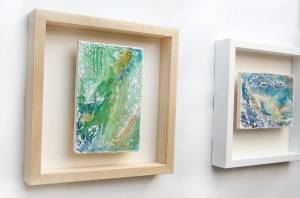
Misako OBA’s “Joyous Collection” invites you to pause and listen to the gentle voice within. It celebrates the quiet moments where joy, hope, and serenity reside. No matter what this year brings, remember that you are deeply valuable and loved— a meaningful reminder for yourself and your loved ones.
Original art. Limited mini. Encaustic mixed media paintings: from new “White Breath” series
Can a brief interaction with online art improve your well-being?
The research suggests yes — and that feels like a hopeful note to end on. ☺️
Happy holidays, and blessings with art to you.
(References)
- World Health Organization (2019). What is the evidence on the role of the arts in improving health and well-being? A scoping review.
- World Health Organization (2019). Intersectoral action: the arts, health and well-being — sector brief on arts.
- Montreal Museum of Fine Arts (2018). MMFA — Museum Prescriptions (program overview / press releases).
- Museums on Prescription (UCL / AHRC project). Museums on Prescription — A guide to working with older people (project PDF).
- Mass Cultural Council (USA). CultureRx Initiative — program overview.
- Golden TL et al. (2023). Social prescription in the U.S.: A pilot evaluation of Mass Cultural Council’s CultureRx. Frontiers in Public Health. (PMC version)
- Mass Cultural Council (2023). Arts on Prescription: A Field Guide for U.S. Communities (PDF).
- New Jersey Performing Arts Center (NJPAC). Arts & Well-Being / ArtsRx program.
(ArtsRx Free access to Art program info) - Montclair Local (2025) Engage with Art, Feel Better: Montclair Museum Partners with ArtsRx Program.
- New Jersey Stage Montclair Art Museum partners with NJPAC’s ArtsRx Program to Prescribe Art for Wellness.
- Grounds For Sculpture / Penn Medicine Princeton Health (2025). Prescription to Arts, Nature & Wellbeing — social prescribing pilot. (Program details)
- Reuters (2025). Art as therapy: Swiss doctors prescribe museum visits (Neuchâtel program).
- National Taiwan Museum / Taiwan Ministry of Culture (2019). Museum on Prescription initiative for dementia and wellness. (Coverage)
- Zuttobi Project collaborating art schools
- Reasons to be Cheerful (2024) A Dose of Inspiration
- aa-tomo (2025) Cultural Prescribing at EXPO 2025
- National Center for Art Research — Health & Wellbeing projects
 Misako OBA